
Fasteners are mechanical devices used to join or attach two or more objects together. They can be temporary, allowing for disassembly, or permanent. They are essential in nearly every industry.
Alloy Steel | Stainless Steel | Carbon Steel | Brass | Aluminium

Machine Screws
Threaded fasteners with a straight, non-tapered shank and a blunt end. Designed to be used with a pre-tapped hole or a corresponding nut.
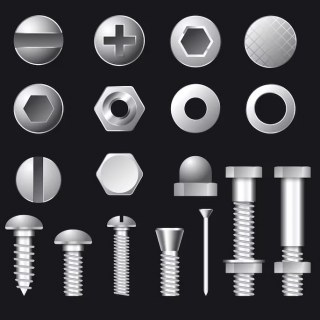
Socket Screws
Threaded fasteners with an internal drive that requires a wrench or key to tighten, e.g. hexagonal (Allen) socket or a six-lobe (Torx) socket. This allows the screw to be tightened to a high torque, resulting in a very secure connection.
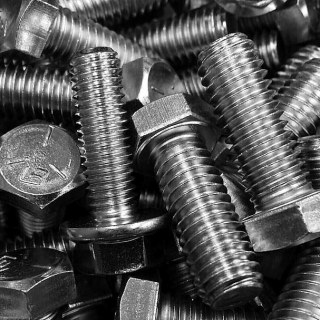
Bolts
Threaded fasteners with an external thread designed to be used with a corresponding nut to join two or more components. Essential for joints that can be disassembled if needed.
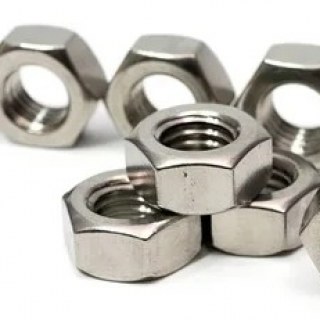
Nuts
Threaded fastener with an internal thread designed to mate with an external thread of a bolt or stud. Secures two or more components together by creating a strong clamping force when tightened onto a bolt.
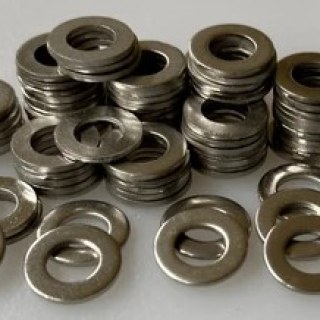
Washers
Thin, flat plates with a central hole, typically used to accompany a threaded fastener like a screw or bolt. Prevents the fastener's head from damaging or sinking into the surface of the material being joined. Can serve as spacers to precisely position components.
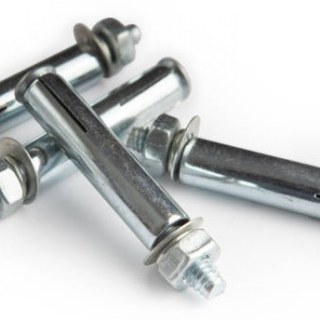
Anchors
Fasteners used to attach objects to a substrate where a simple screw or nail would not be strong enough. They are designed to create a secure attachment point in materials like concrete, brick, masonry, or drywall by transferring the load from the fastened object to the surrounding material.
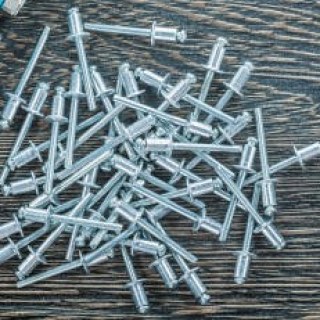
Riverts
Permanent mechanical fasteners used to join two or more components. It deforms its end to form a second head, securely clamping the materials together making the joint highly resistant to vibration and shear forces.